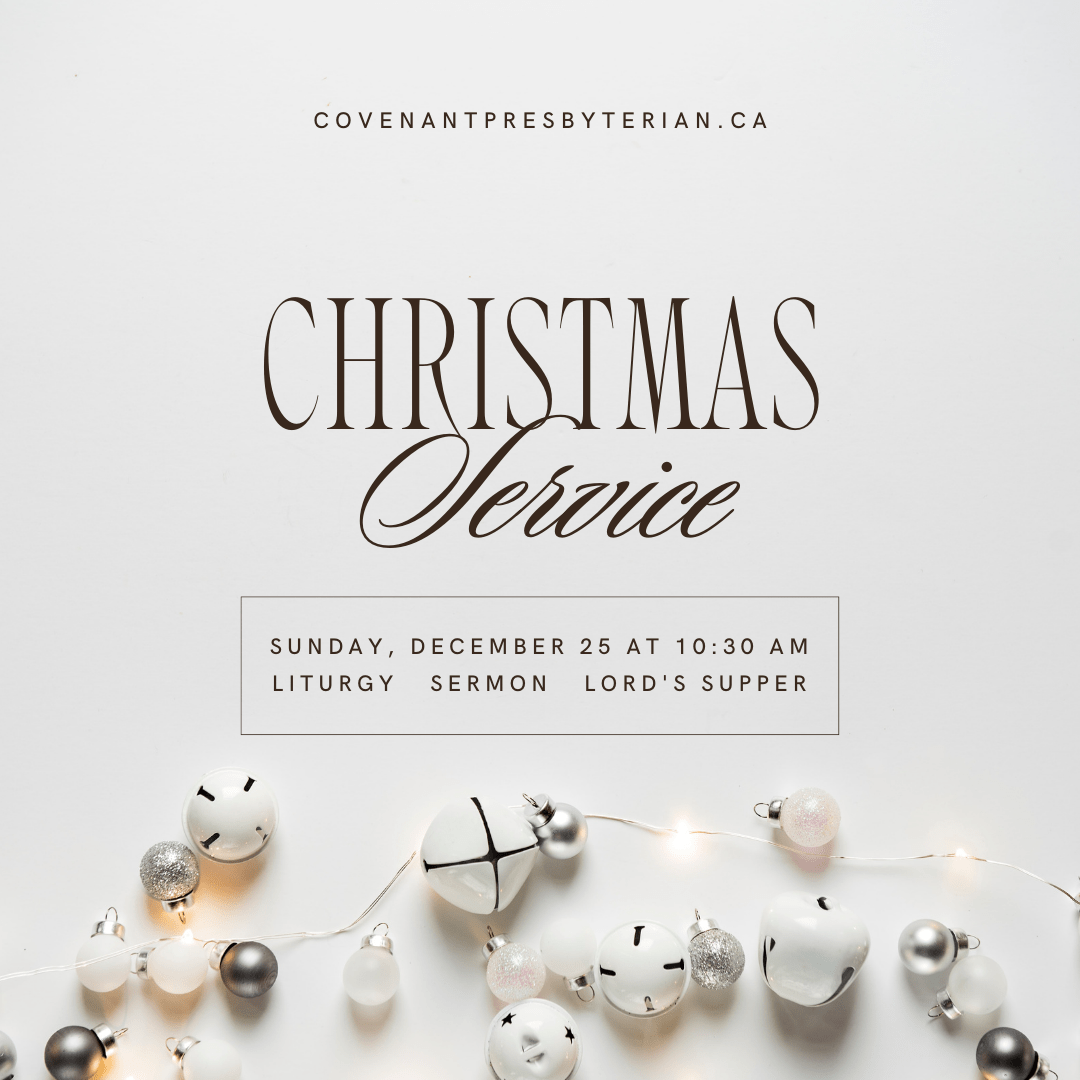
🕯️Christmas Service 🕯️

This Christmas season, our doors are open to all in need of a Saviour, Redeemer, Healer, Lord, Forgiver, Rescuer, and Friend.

Come and celebrate the glorious feast marking the anniversary of Jesus’s birth with us on Sunday, December 25th at 10:30am at our regular meeting spot at Ippon Dojo; we’ll be hosting our regular full liturgical service including songs, sermon, and the Lord’s Supper.

Hope to see you and your families there!

“For to us a child is born, to us a son is given, and the government will be on his shoulders. And he will be called Wonderful Counselor, Mighty God, Everlasting Father, Prince of Peace.” – Isaiah 9:6

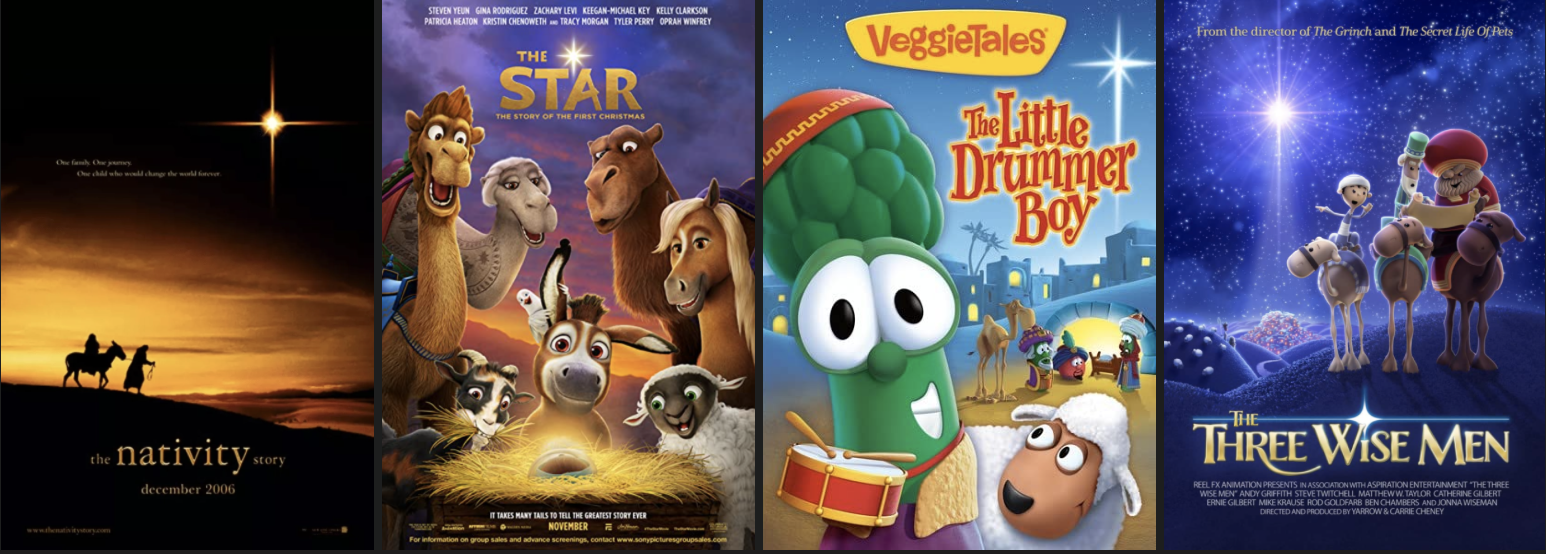
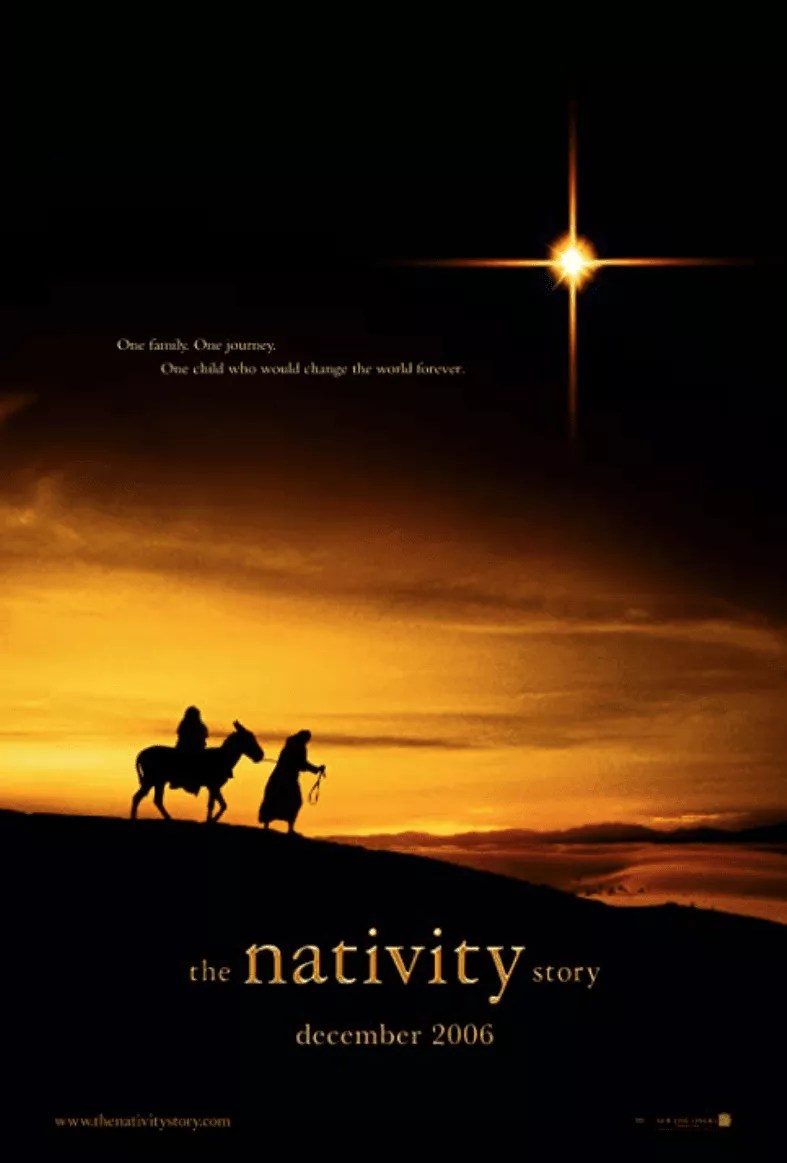
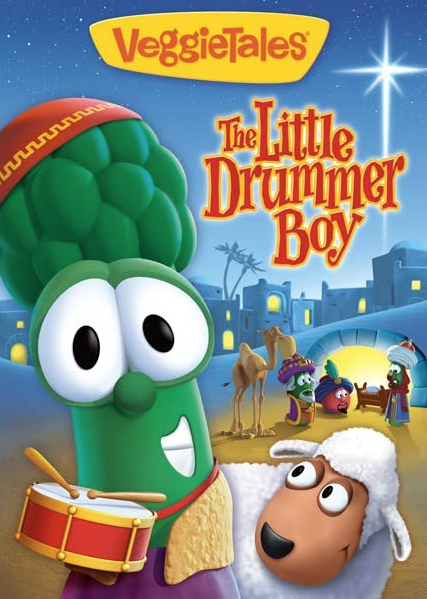
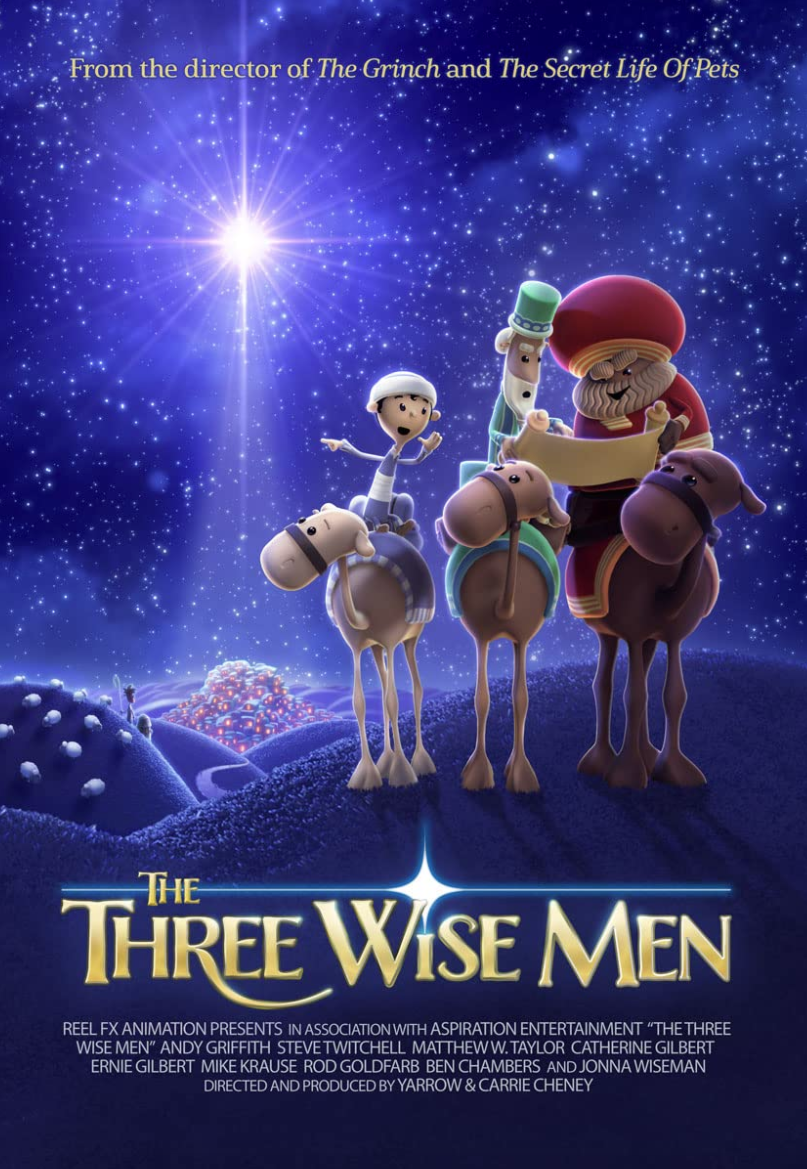
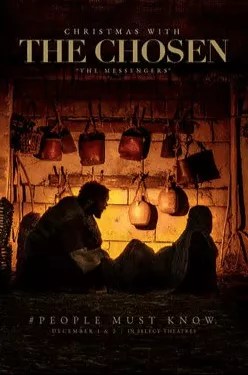
5 Christmas Movies Actually About Christ

From Focus on the Family, here are 5 Christmas movies to enjoy in anticipation of the celebration of Christ’s incarnation:

  1. The Nativity Story (2006)

2. The Star (2017)

3. VeggieTales’ The Little Drummer Boy (2011)

4. The Three Wise Men (2020)

5. Christmas With the Chosen: “The Messengers” (2021)

Bonus: A Charlie Brown Christmas (1965)

and a personal family favourite of ours, not so much an animated movie as a documentary, is The Star of Bethlehem (2012).

Snuggle up with a blanket, something hot to drink, your loved ones, and one of these, and enjoy dwelling on the true meaning of Christmas.

Pro-Life Resources

PRO-LIFE DEEP DIVE

Ready to jump in?

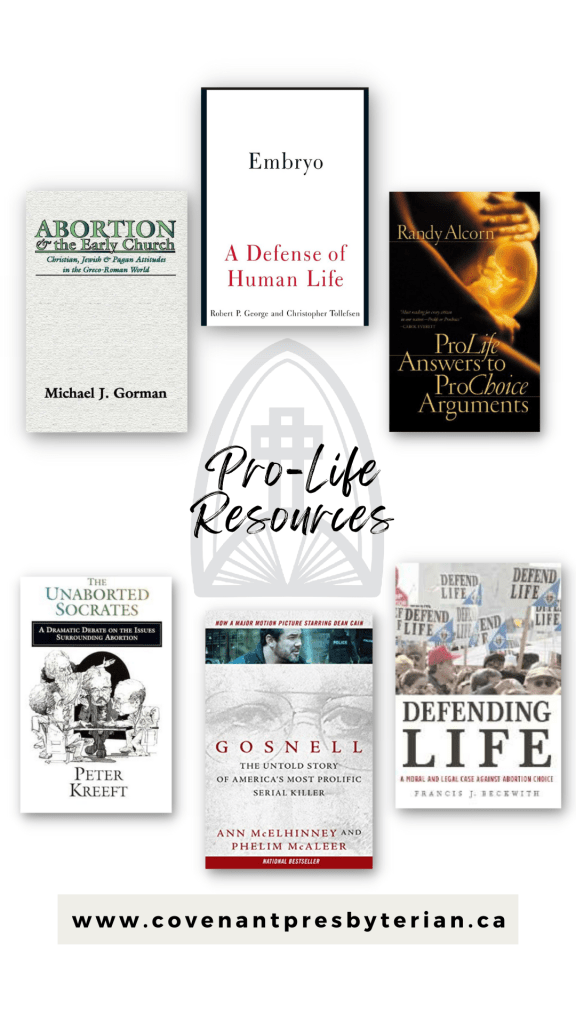
This is a stack of books curated to equip and engage you with the most thoughtful questions surrounding the humanity of the unborn, including addressing the most common street-level and academic objections of all stripes to the pro-life view.

Collect them all, or work through them one-by-one; they’re bound to become a regular grab off your bookshelf.  We keep copies of these around the house, so feel free to borrow or ask for other recommendations.

🐣 Abortion and the Early Church – Michael J. Gorman (what did early Christians think about abortion? Has the church always been as split over it as today?)

🐣 ProLife Answers to ProChoice Arguments – Randy Alcorn (in the title)

🐣 Embryo: A Defense of Human Life – Robert P. George and Christopher Tollefsen (exploring the philosophical and scientific grounds for the humanity of the tiniest among us: human embryos)

🐣 The Unaborted Socrates – Peter Kreeft (written as a dialogue, this format allows you to prepare to navigate difficult questions in real time)

🐣 Gosnell: The Untold Story of America’s Most Prolific Serial Killer – Ann McElhinney and Phelim McAleer (the true crime account of late-term abortionist and convicted serial killer, Kermit Gosnell)

🐣 Defending Life: A Moral and Legal Case Against Abortion – Francis Beckwith (a timely account and defense of the legal case against abortion. Written in 2007, well before Roe v. Wade fell)

Have you read any of these? Which ones would you add?

Answering Abortion

“The abortion controversy is not a debate between those who are pro-choice and those who are anti-choice. It’s not about privacy. It’s not about trusting women to decide. It’s not about forcing one’s morality. It’s about one question that trumps all others.” – Scott Klusendorf 

And that one question boils down to: before we ask whether we can kill something, we must determine *what it is.* 

The question we must answer in the abortion debate is: what is the unborn?

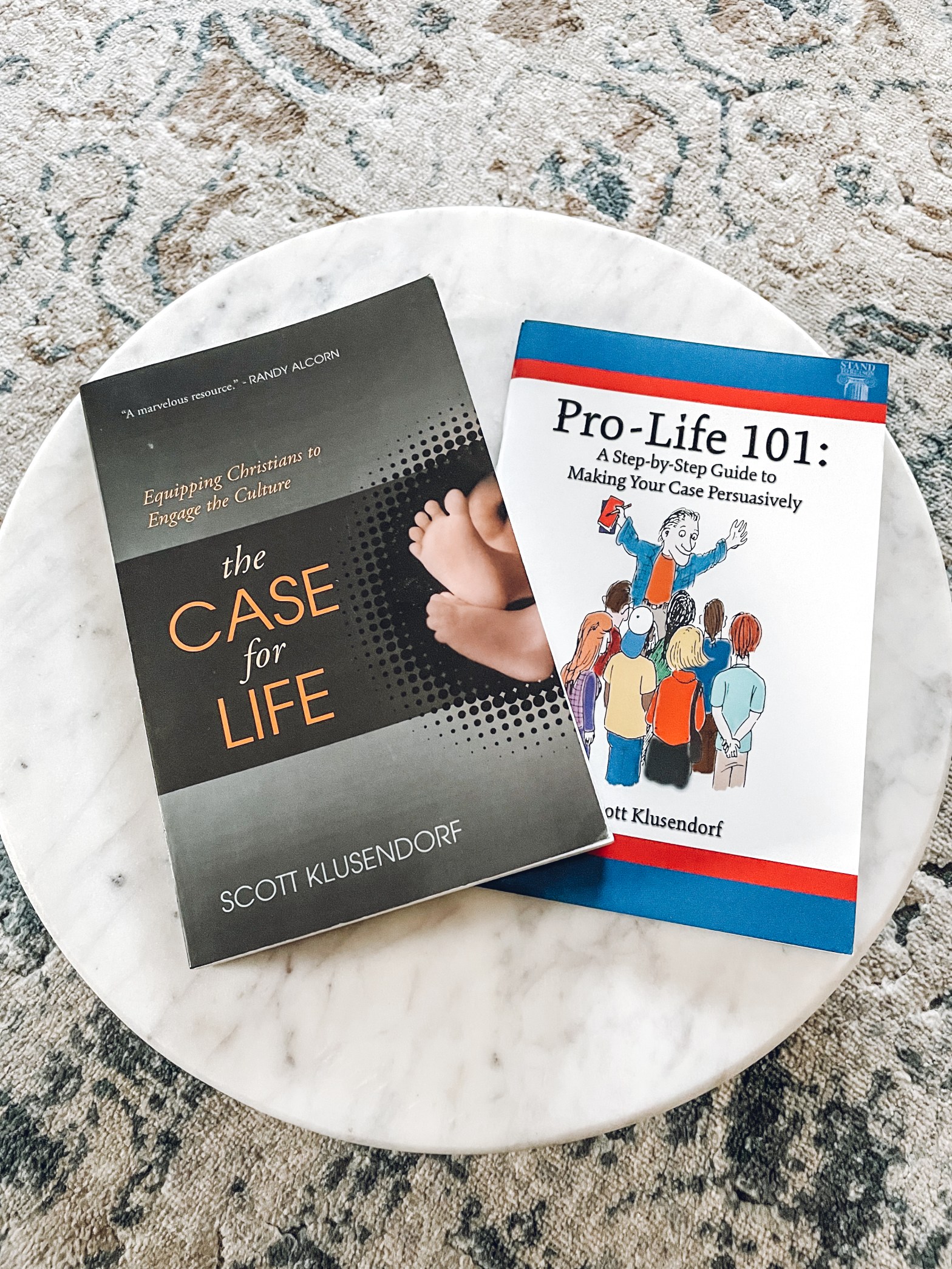
Author & debater Scott Klusendorf lays out the case for human life from embryology, biology, and objective morality in this one-stop-shop of a book, The Case for Life (now available in 2nd edition), and it’s shorter sister, Pro-Life 101. If you’re looking for a single book to get acquainted with common objections, they both cover that, too!

PS. For life-affirming pregnancy & postpartum care options near you in Canada, visit www.Choice42.com.

For further reading, stay tuned – we have more coming 📚 

Books on the Atonement

Many people today assume that we’re generally good by nature, and therefore, the death of Jesus as a substitution for our sin has come under increasingly harsher and harsher criticism in recent years.

But what happens if we do something wrong? Not just make a mistake, but really, truly, and awfully wrong? 

Does our guilt just magically disappear overnight? Or do we play endless games of restitution, proverbially washing our hands like Lady Macbeth, trying to right the past?

Dear reader, if you’re stuck in a seemingly endless cycle of guilt, might I suggest that Jesus’ atoning death on the cross is very, very good news? That it holds the power to not only free us from the crushing weight of guilt, but also, through the power of the Holy Spirit, to raise us from the dead and cleanse us from unrighteousness?

But before we get ahead of ourselves, here are a handful of excellent, accessible books helping to explain the important work of atonement in the life of Jesus and what it means for us today:

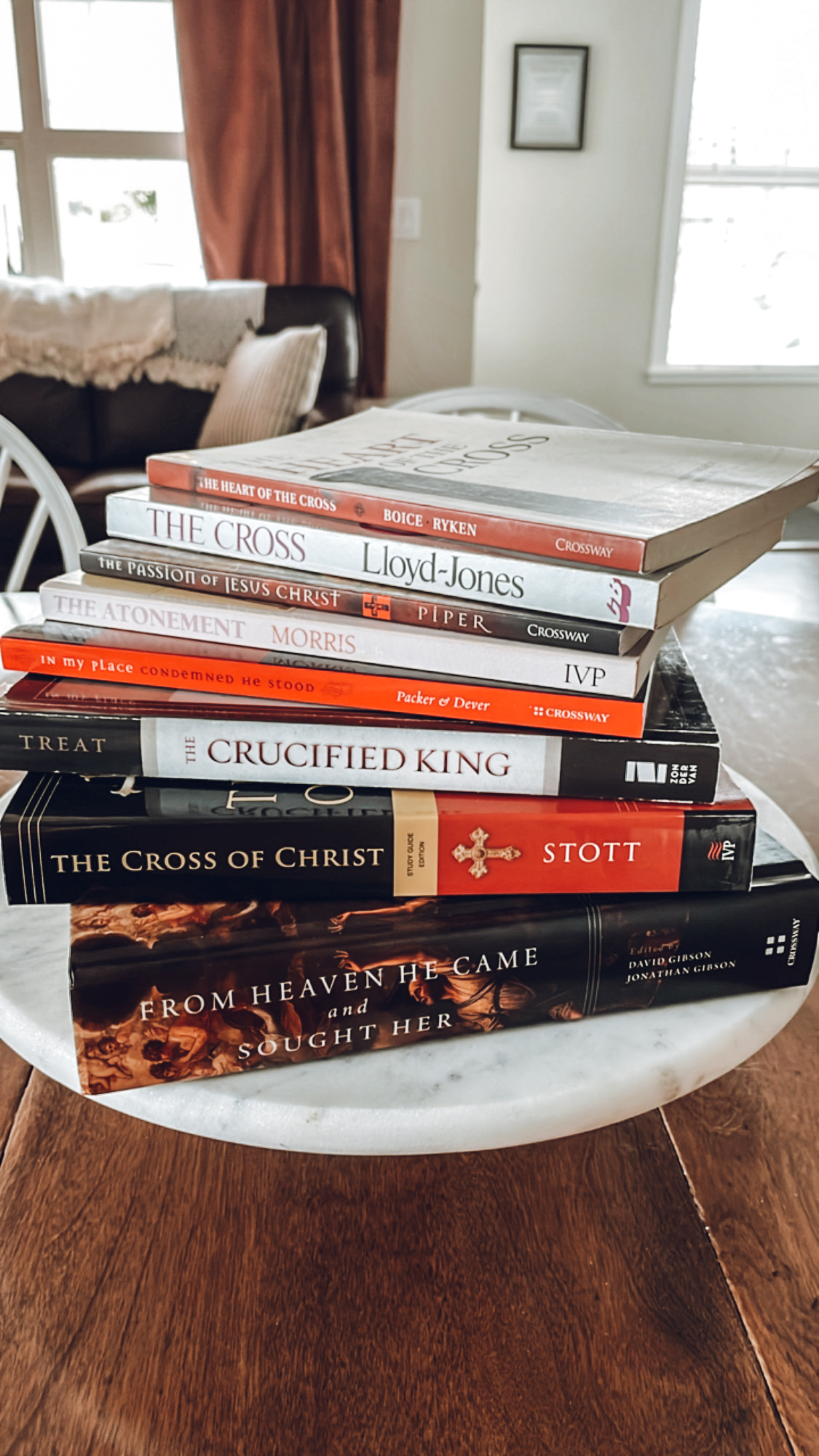
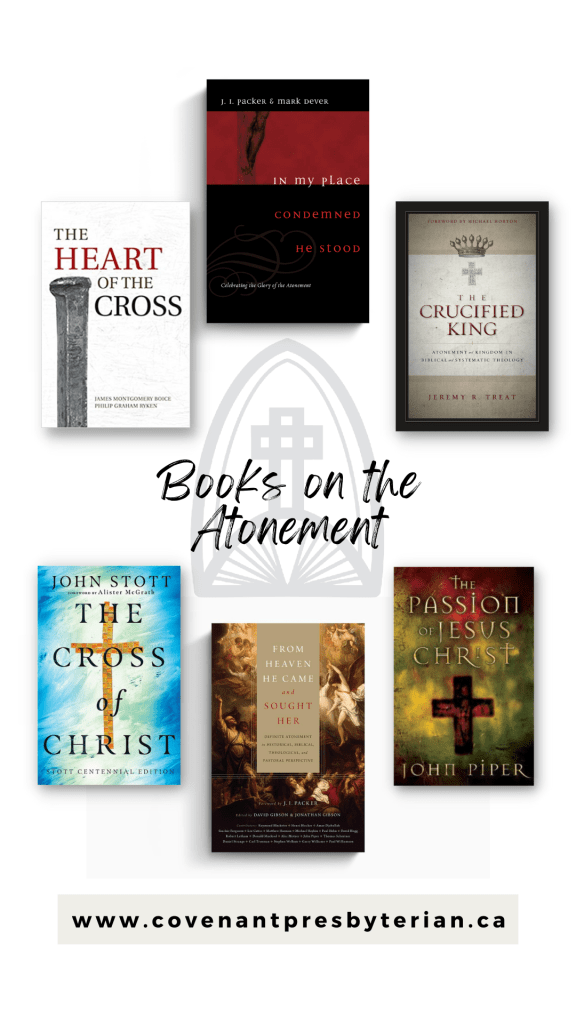
📖 The Heart of the Cross – Boice Ryken – These devotional readings probe Christ’s last earthly words and the biblical writers’ words about the cross to reveal not only the meaning of Calvary but the heart of God. They will also give you a richer understanding of the amazing love that drove Jesus to the cross, conquering the powers of hell once and for all.

📖 The Cross – Lloyd Jones – This exposition is taken from the third volume of Dr. Lloyd-Jones’ series on the Epistle of the Romans.

📖 The Atonement – Morris – The Bible uses a host of terms to illuminate the answers to these questions: covenant, sacrifice, the Day of Atonement, Passover, redemption, reconciliation, propitiation, justification. In plain English Leon Morris explains each of these words, thus opening up for students, pastors and teachers the fuller biblical dimension of God’s great salvation.

📖 The Passion of Jesus Christ – Piper – This link is a free PDF download of the book. “When all is said and done, the most crucial question is: Why? Why did Christ suffer and die? Not why in the sense of cause, but why in the sense of purpose. What did Christ achieve by his pas- sion? Why did he have to suffer so much? What great thing was happening on Calvary for the world? That’s what the rest of this book is about. I have gathered from the New Testament fifty reasons why Christ suffered and died. Not fifty causes, but fifty purposes. Infinitely more important than who killed Jesus is the question: What did God achieve for sinners like us in sending his Son to die?”

📖 In My Place Condemned He Stood – Packer & Dever – An important anthology that reaffirms the classic doctrine of substitutionary atonement and counters the ongoing attacks against it. Combines three classic articles by Packer-“The Heart of the Gospel”; his Tyndale Biblical Theology Lecture, “What Did the Cross Achieve”; and his introductory essay to John Owen’s The Death of Death in the Death of Christ-with Dever’s recent article, “Nothing but the Blood.” It also features a foreword by the four principals of Together for the Gospel: Dever, Ligon Duncan, C. J. Mahaney, and Al Mohler. 

📖 The Crucified King – Treat – demonstrates that Scripture presents a mutually enriching relationship between the kingdom and atonement that draws significantly from the story of Israel and culminates in the crucifixion of Christ the king. As Israel’s messiah, he holds together the kingdom and the cross by bringing God’s reign on earth through his atoning death. 

📖 The Cross of Christ – Stott – More than a study of the atonement, this book brings Scripture into living dialogue with Christian theology and contemporary issues. What emerges is a pattern for Christian life and worship, hope and mission. The linked version is a centennial release with foreword by Alistair McGrath.

📖 From Heaven He Came and Sought Her – Gibson & Gibson – as it examines definite atonement from historical, biblical, theological, and pastoral perspectives. Offering scholarly insights for those seeking a thorough and well-researched discussion, this book will encourage charitable conversations as it winsomely defends this foundational tenet of Reformed theology.

Pro-tip for beginners: start with the shorter ones and work up to the longer ones. 😉 This is the kind of theology that takes a lifetime to appreciate, so just remember you’re running a marathon, not a sprint.

And for everything, read with discernment, weighing it by Scripture.

🌟Have you read any of these? Which ones would you add?

Note: Local Cochrane and Calgary area friends, if shipping costs are prohibitive or you’re having a hard time finding some of these titles, check out our local Christian used bookstore, Better Books and Bibles!

Luther and His Message for Today

What, then, are the true questions? There is no difficulty in answering. Martin Luther answers. How did he start? How did he become the man he was? What led to the Protestant Reformation? Do you know the answer? Here is the first question, and here is the first question that the Christian Church needs to ask today: What is a Christian? – that is the first question. What is a Christian? Is he just a man who objects to atomic bombs and to war? Is he just a man who objects to apartheid? What is a Christian? Luther, I feel, is thundering down the ages to us until this very night, and he is saying to us – Ask that question, What is a Christian? Do not start with organizations and institutions, do not start with territorial churches or the idea of getting them all together, do not start with social and political questions, ask the great question which the Scriptures raise – What is a Christian?

And the second, and, oh, how vital it was to Luther! How does one become a Christian? How does one find a gracious God? How does one get forgiveness of sins? Is it because I am christened as an infant; is it because I am born in a particular country? What makes me a Christian? How do I become a Christian? Do I get pardon and forgiveness by paying for indulgences or by doing good works? How does one become a Christian and get this assurance of being reconciled to God? That is the question that led to the Protestant Reformation. It was this intense personal experience of salvation. And these are still the fundamental questions.

And they lead to the next: What is a Church? Is she but an organization or institution, or is she the gathering of those who have had this experience of salvation, and sins forgiven, and who know God, whoa are born again and have the Spirit witnessing within them? What is the Church? Before you begin talking about amalgamations and unions let us ask the first question, What is a Church? I suggest to you that if we start with those questions we shall inevitably find ourselves following precisely the same path as was trodden by Martin Luther. It is inevitable. Why? For these reasons: To a man who knows this experience, to a man who has his only authority in the Scriptures there is no possible compromise with, first of all, the church of Rome – no possible compromise. The man who asks these questions and find the Scriptural answer finds, as Luther found, that it is impossible to come to any agreement with Rome. She teaches “another gospel”. It is entirely different. There can be no compromise with sacerdotalism. There can be no compromise for the Evangelical with those who say that a bishop is of the “esse” – the very essence – of the Church. There is no compromise for the Evangelical with a man who says, that unless you have received episcopal ordination you are not truly ordained. It is impossible. There can be no accommodation between the Evangelical and those who believe in the blasphemy of the “mass”. There is no possible compromise for the Evangelical with a belief in baptismal regeneration: it is impossible. Luther found it impossible as he went on studying and preparing his lectures on Romans, and his sermons on the Psalms and Galatians; and so the break was inevitable.

But not only is compromise with such people impossible for the Evangelical, it is equally impossible for him to be yoked together with others in the church who deny the very elements of the Christian faith; with men who seem to deny the very being of God, and who convey the impression that the Lord Jesus Christ was a homosexual! There is no agreement between Evangelicals and such teaching for it is a question of light and darkness! The very desire to hold such groups together in one territorial church is surely a virtual denial of the Christian faith. It also raises the questions of guilt by association. If you are content to function in the same church with such people – the two groups I have mentioned – you are virtually saying that though you think you are right, they also may be right, and this is a possible interpretation of Scripture. That, I assert, is a denial of the Evangelical, the only true, faith. It is impossible.

  • excerpt from “Luther and His Message for Today”, 1967, by Dr. Martyn Lloyd Jones, minister of Westminster Chapel in London, given before a congregation of over 2, 500 people – at the British Evangelical Council Conference, convened in London to commemorate the 450th anniversary of Martin Luther’s 95 Theses.

You may listen to the full address for FREE here at the MLJ Trust.

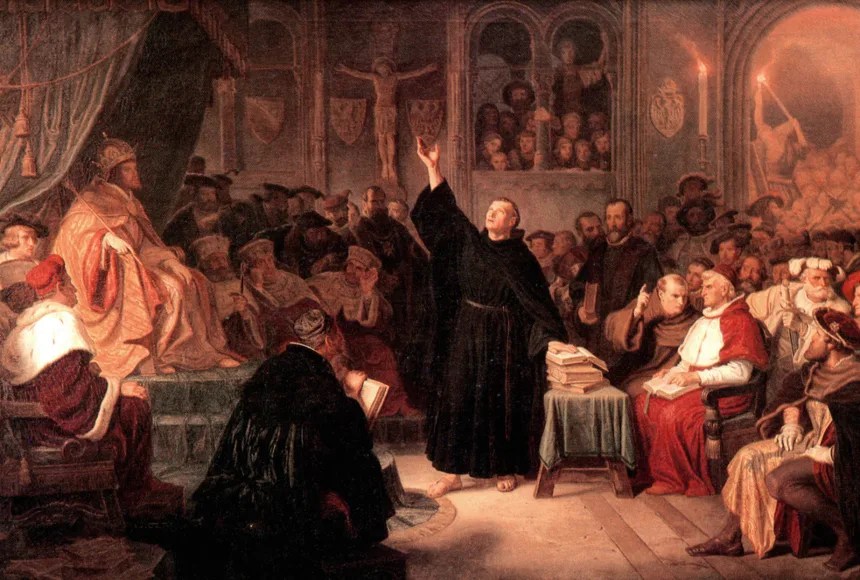
Cover image, Martin Luther at the Diet of Worms 1521, c/o National Geographic.

Who is Jesus? Books

Knowing about Jesus and the resurrection is one thing, but have you ever found yourself puzzled or confused about the exact meaning and theological significance of who he is? Especially if you’ve heard him referred to with phrases like:

  • King of Kings
  • Lord of Lords
  • Son of God
  • Saviour
  • Messiah

or … a rebel who began an uprising against the Romans… a wise teacher… a holy man… or someone we simply need to “look to”?

If you’ve ever wondered what the Bible teaches about Jesus or what his biographies are really all about, these books are for you:

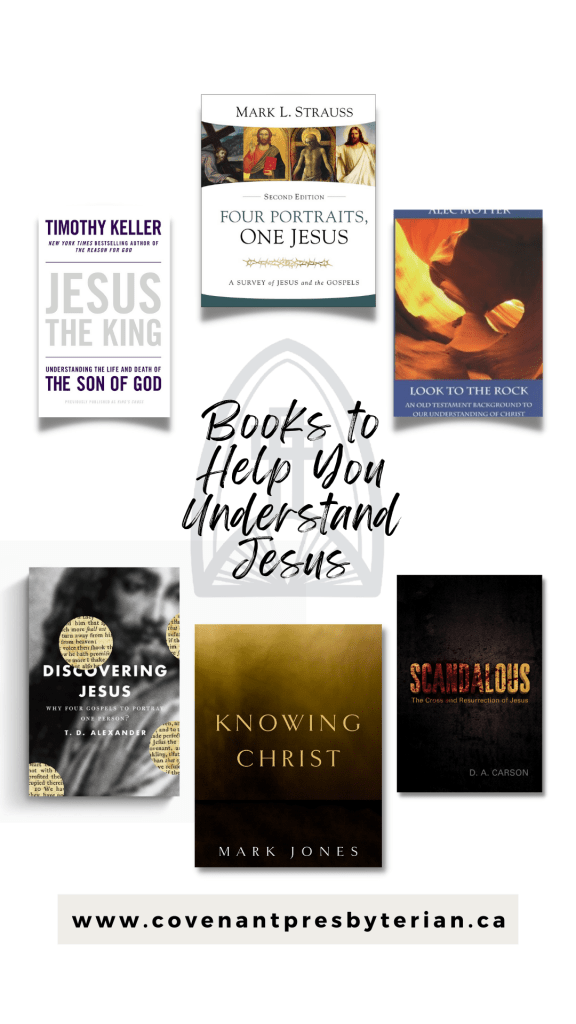
Four Portraits, One Jesus by Mark L. Strauss – With clarity and insight, Mark Strauss illuminates these four books addressing the following important areas:

  • First he addresses the nature, origin, methods for study, and historical, religious, and cultural backgrounds of the Gospels.
  • He then moves on to closer study of each narrative and its contribution to our understanding of Jesus, investigating things such as plot, characters, and theme.
  • Finally, he pulls it all together with a detailed examination of what the Gospels teach about Jesus’ ministry, message, death, and resurrection, with excursions into the quest for the historical Jesus and the historical reliability of the Gospels.

Jesus the King by Timothy Keller – You can read a free sample of chapter one here. JtK looks at the life of Christ as told in the Gospel of Mark. In it, Keller shows how the story of Jesus is at once cosmic, historical, and personal, calling each of us to look anew at our relationship with God. 

Look to the Rock by Alex Motyer – The Bible is one book, not two separate testaments; so the Old Testament is essential for understanding the New. In this stimulating book on the Old Testament background to Christ, Alec Motyer shows how Jesus is the king expected, who brings in the kingdom looked for in the Old Testament; is both the image and the Word of God; conquers sin and death, and brings the disordered creation to its perfect consummation.

Discovering Jesus by T.D. Alexander – Alexander guides readers to see how the Gospels display Jesus as the Son of David who establishes the kingdom of God, the Son of God who suffers to ransom others, the Savior of the world who seeks the lost, and the Lamb of God who brings eternal life through a new exodus. Each chapter ends with discussion questions for individual or group study.

Knowing Christ by Mark Jones – unpacks the truth about the Saviour according to the classic Reformed tradition and the Puritans. 

Scandalous by D.A. Carson – The Bible firmly establishes the historicity of these events and doesn’t leave their meanings ambiguous or open to interpretation. Even so, there is an irony and surprising strangeness to the cross. Carson shows that this strange irony has deep implications for our lives as he examines the history and theology of Jesus’s crucifixion and resurrection. Literary readers will especially appreciate what Carson notices about the story of Jesus in the New Testament.

⭐ Have you read any of these or found them helpful? Which one(s)? Let us know in the comments below!

Psalm 1, (That Man Hath Perfect Blessedness), by Brian Sauvé

If you haven’t yet had the pleasure of listening to Brian Sauvé’s hymns, psalms, and spiritual songs… you’re welcome!

This is a wonderful rendering of Psalm 1, an expectation-setting introduction to the book of Psalms (note the Genesis-laden language):

Blessed is the man
who walks not in the counsel of the wicked, 
nor stands in the way of sinners, 
nor sits in the seat of scoffers; 
 but his delight is in the law of the Lord, 
and on his law he meditates day and night. 
 He is like a tree 
planted by streams of water 
that yields its fruit in its season, 
and its leaf does not wither. 
In all that he does, he prospers. 
 The wicked are not so,
but are like chaff that the wind drives away. 
 Therefore the wicked will not stand in the judgment, 
nor sinners in the congregation of the righteous; 
 for the Lord knows the way of the righteous,
but the way of the wicked will perish.

https://biblia.com/bible/esv/psalm/1

How Did Christianity Change the World?

Eric Clapton might resonate with you when he sings about wishing to change the world, but did you know that Jesus already has, and continues to? 

We know, we know: it’s easy – and popular – to bash the Church and Christians, and some of it may even be deserved. But before you continue scrolling, consider: what do you actually know about the history of Christianity from its origin forward? Have you read any credible books on it, or do you find yourself just repeating popular catchphrases, memes, or talking points from your friends?

If you’re not sure how (or whether) our world benefited from Jesus’s influence, or if you view the Church, regardless of denomination, from a hurt, hostile, angry, bitter, or resentful place (much like some of us once did), grab one of these instead. Their tone is neither confrontational, nor combative, and they’re written at a popular-level for audiences of nearly every age:

📖 Person of Interest: Why Jesus Still Matters in a World that Rejects the Bible by J. Warner Wallace – Drawing on his experience as a homicide detective, Wallace employs an innovative strategy to examine historical claims about Jesus that confirm his authenticity (without relying on New Testament manuscripts.)

📖 How Christianity Changed the World by Alvin J. Schmidt – this book reveals how Christianity inspired great achievements and became the moral basis of Western civilization. Expand your understanding of Christianity and how it became a driving force for everything from healthcare to higher education.

📖 Dominion by Tom Holland – Notable historian Tom Holland changed his mind about Christianity while writing this book. In it, Holland demonstrates our morals and ethics are not universal but are instead the fruits of a very distinctive civilization. From Babylon to the Beatles, Saint Michael to #MeToo, Dominion tells the story of how Christianity transformed the modern world.

📖 7 Truths That Changed the World by Kenneth Richard Samples – Chief among them being that God walked the earth, Samples addresses the volatile ideas that challenge the cultural and religious status quo. He offers a biblical, historical, and philosophical exploration of the resurrection, incarnation, creation ex nihilo, compatibility of faith and reason, justification by grace, and more.

📖 What if Jesus Had Never Been Born? by D. James Kennedy – Two groups would especially benefit from this book: 1) laypersons who work in education, science, charity, or public service will find in this work an encouragement to continue good works in the name of Christ; 2) those who value and long for justice in many arenas and wonder how Christianity or the Bible could possibly help

📚 Have you read any of these? What made you pick it up, and what did you appreciate about it?

Note: Covenant Presbyterian is not an affiliate of any of the linked book sellers and receives no funds from purchases made on any site.